Constructivismo
Constructivismo
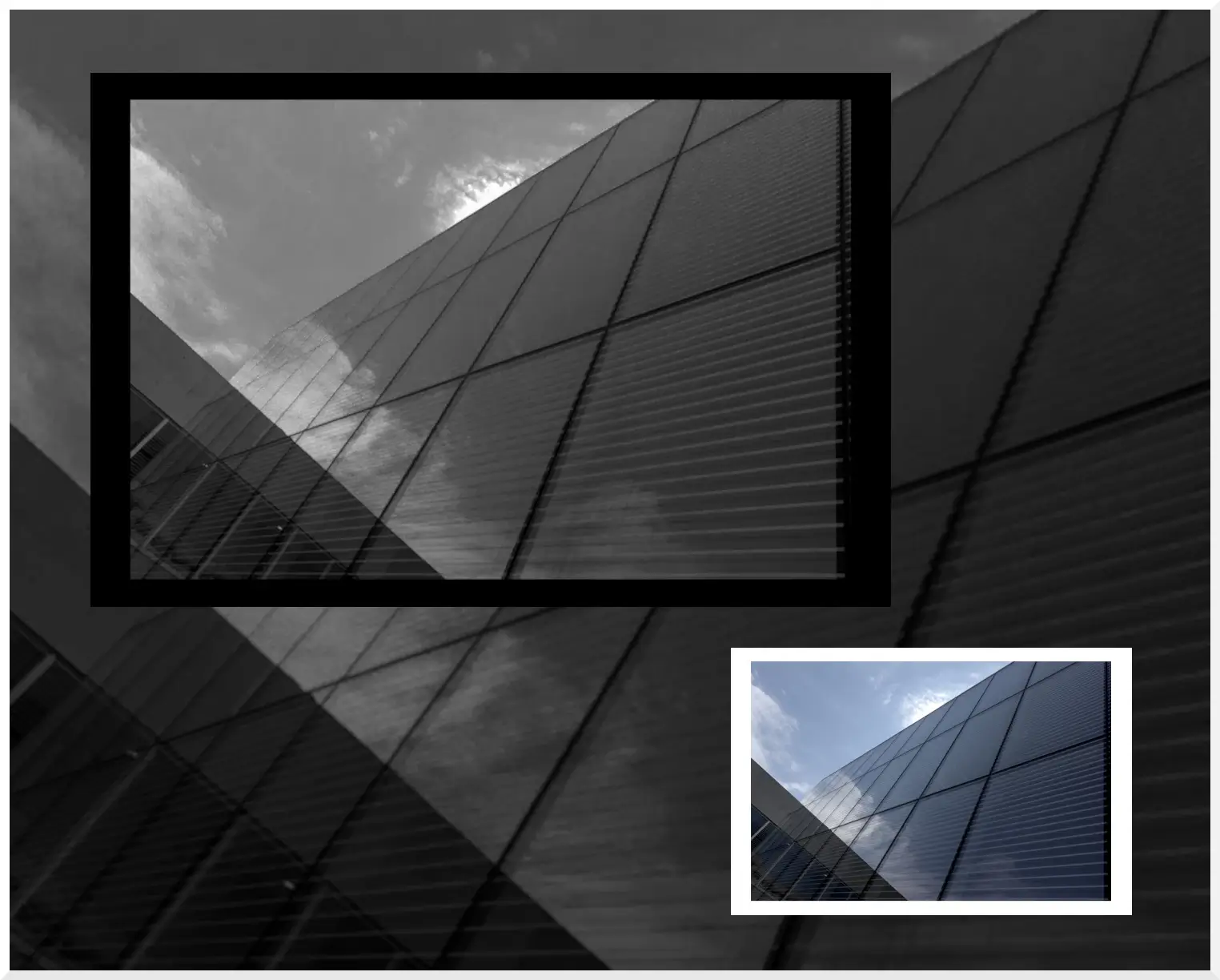
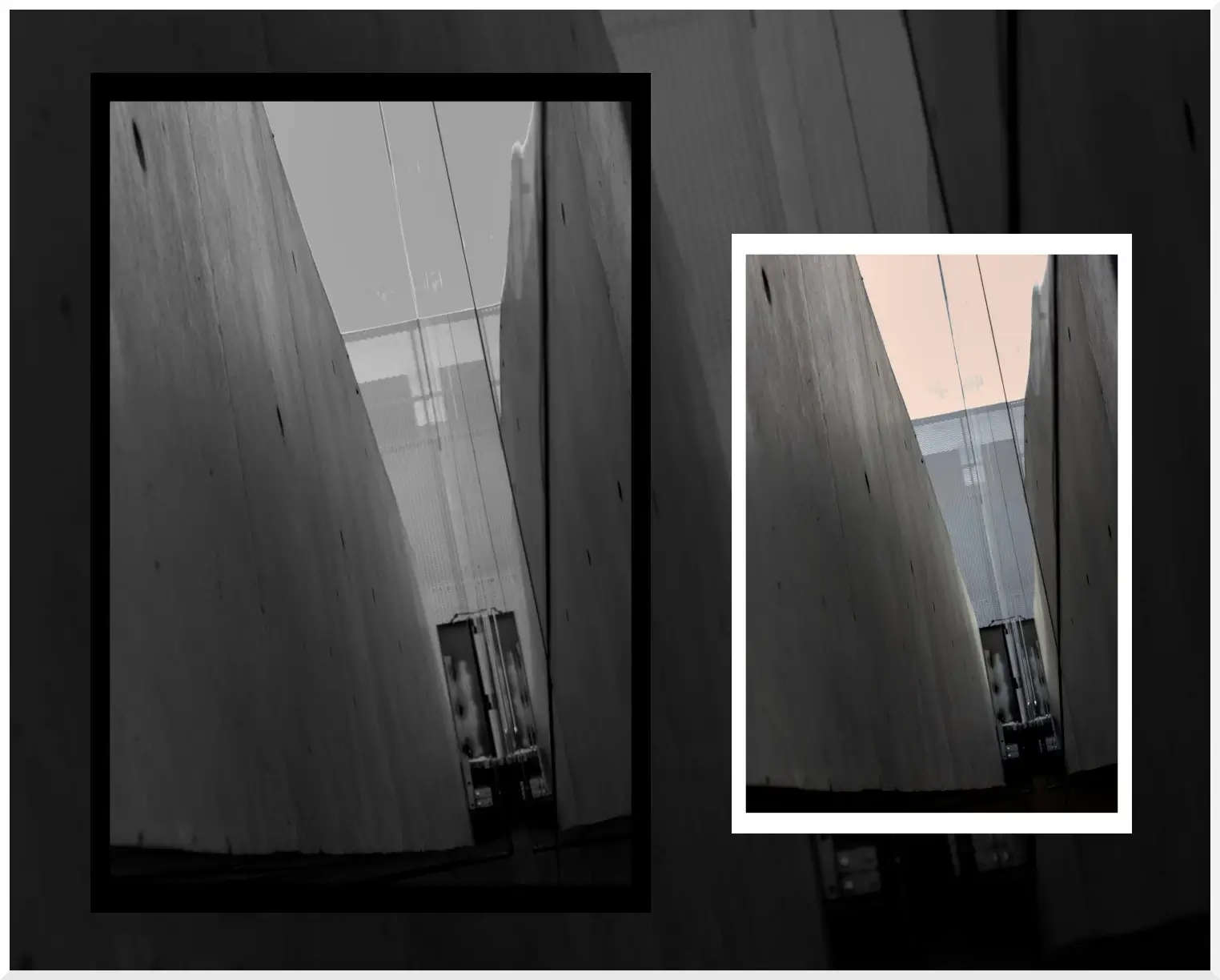
Este proyecto fotográfico nace de una reinterpretación
contemporánea del Constructivismo, buscando trascender la mera
representación arquitectónica para adentrarse en la
abstracción de la forma. A través de la lente, la arquitectura
deja de ser simplemente un refugio funcional para convertirse
en un lienzo de ritmos visuales, donde el hormigón, el acero y
el vidrio dialogan en un lenguaje de pura geometría.
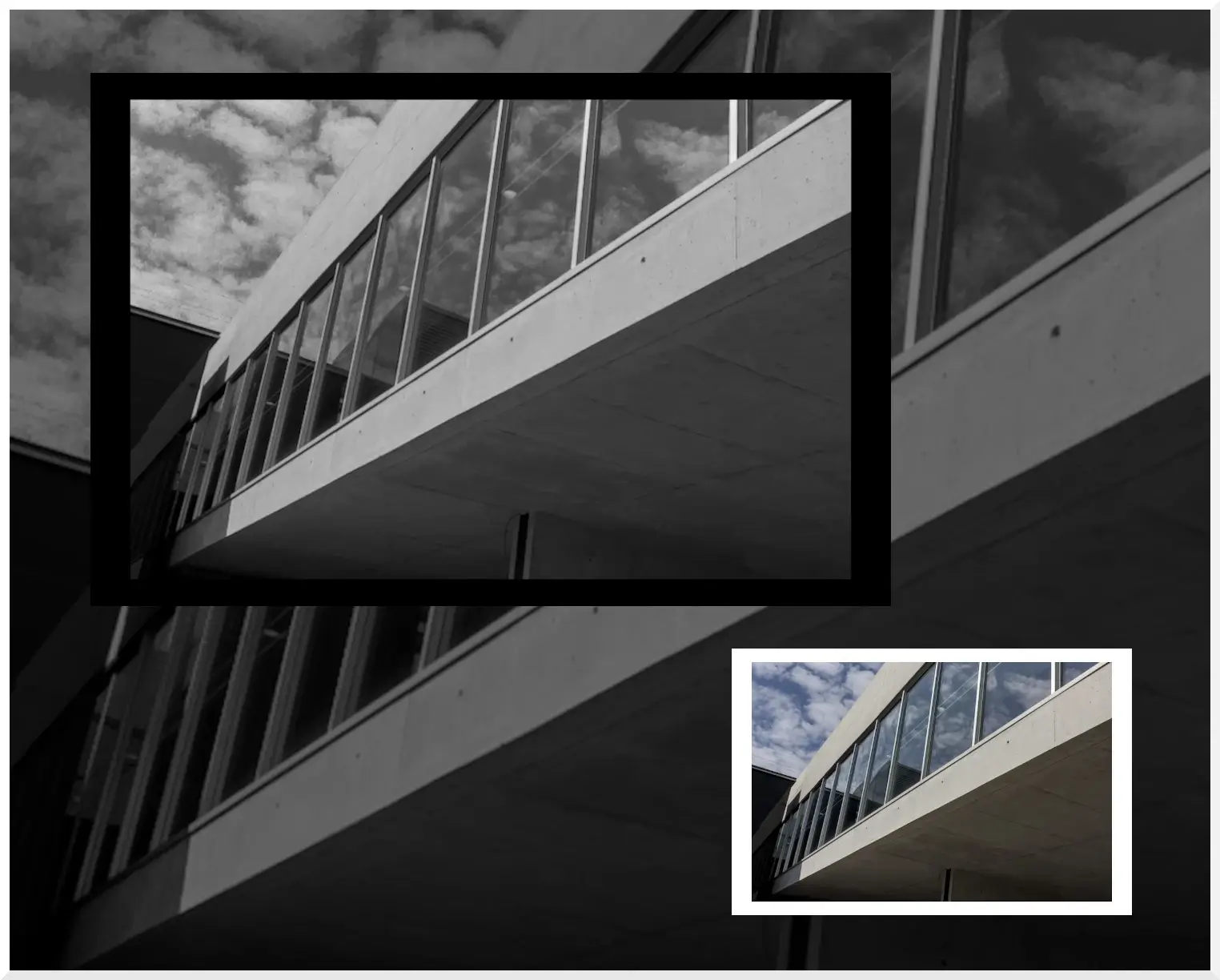
La serie explora la tensión entre la luz y la sombra,
utilizando el alto contraste y la monocromía para despojar a
las estructuras de lo superfluo, revelando así su esqueleto
esencial. Cada imagen es una oda a la línea diagonal, al
ángulo agudo y a la repetición industrial, elementos que
rompen la estática del encuadre y dotan a las composiciones de
un dinamismo agresivo pero elegante.
Al igual que el movimiento de vanguardia que lo inspira, este
trabajo celebra la estética de la máquina y la belleza de la
ingeniería. Sin embargo, introduce una narrativa visual
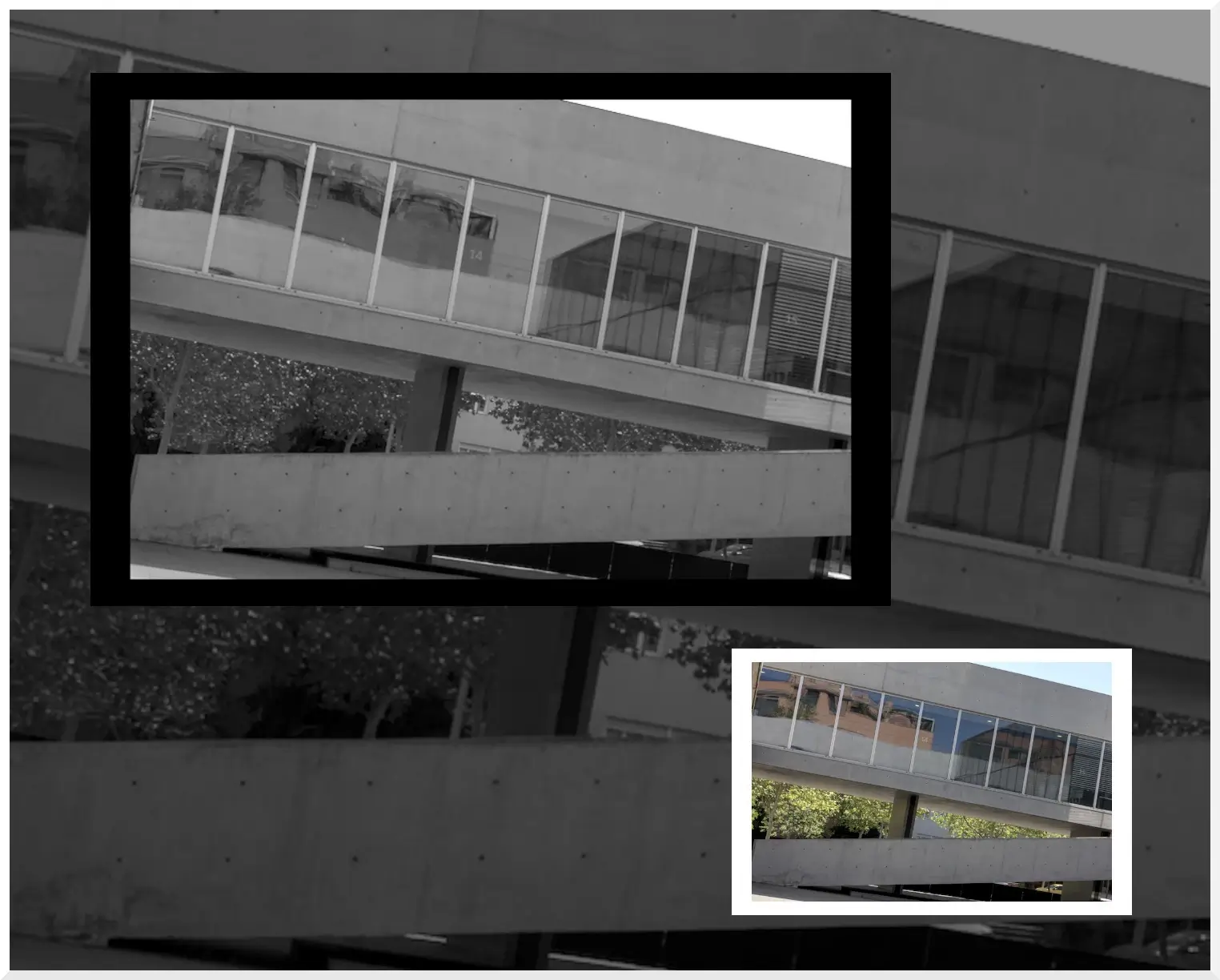
propia: la fragmentación de la perspectiva. Al aislar detalles
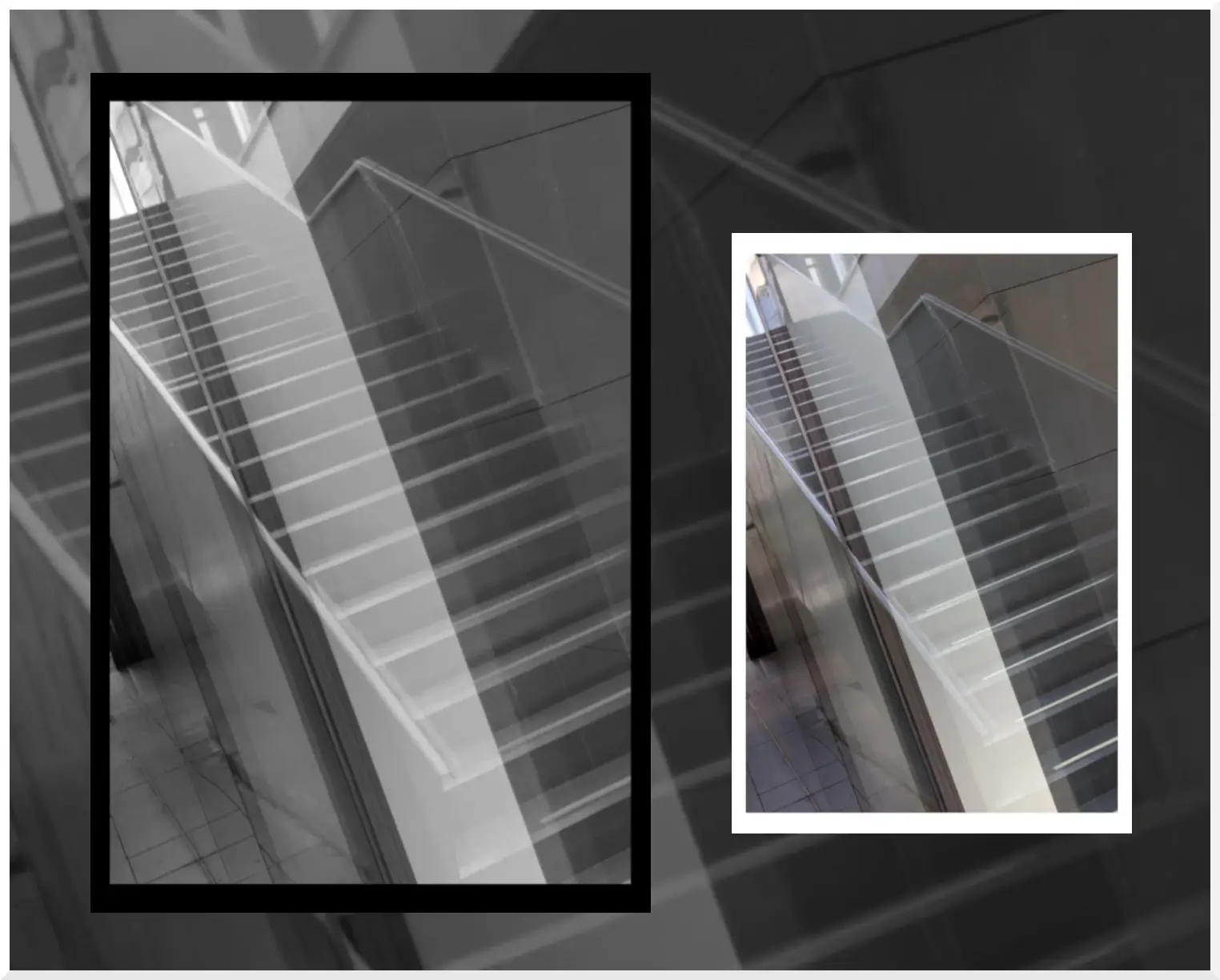
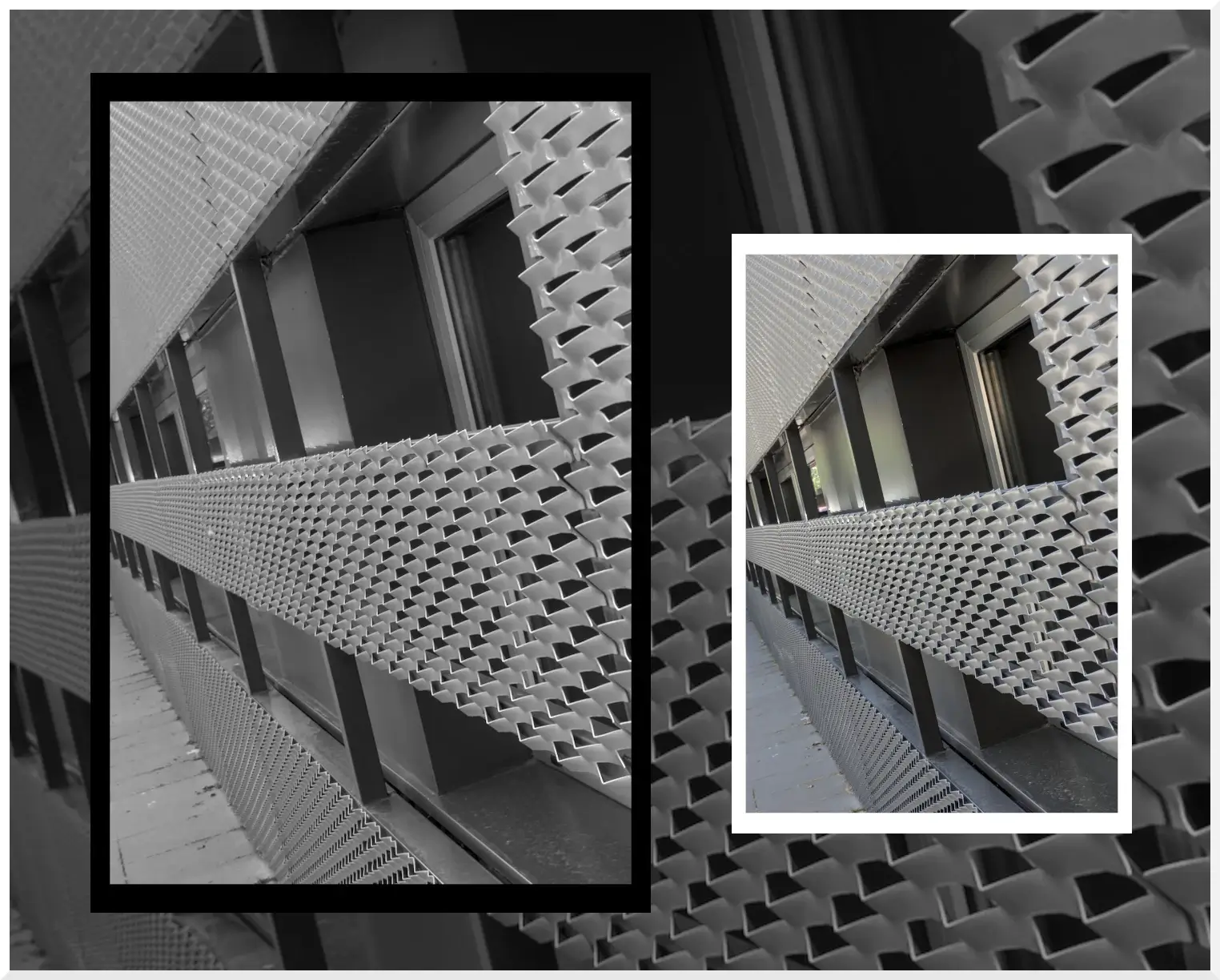
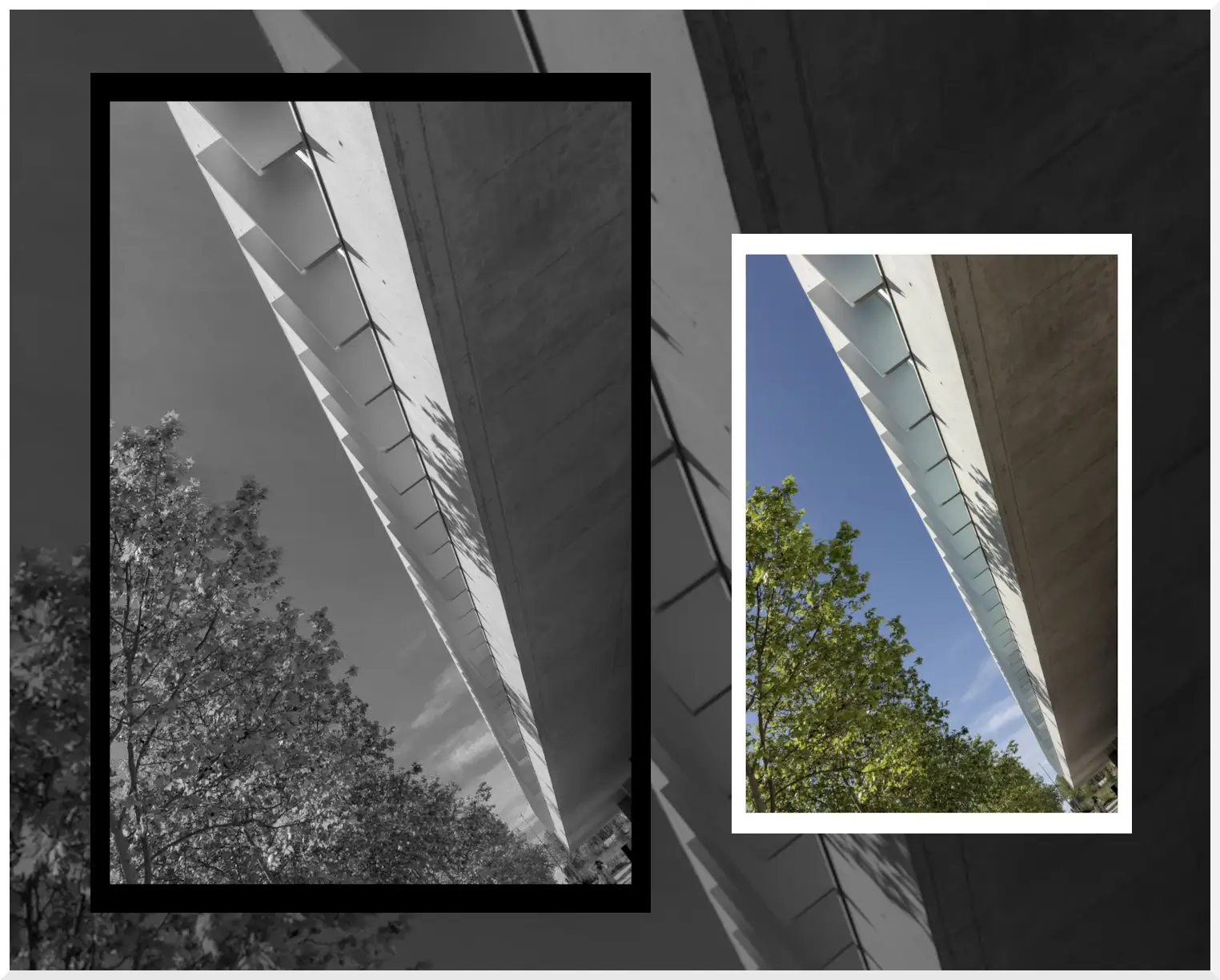
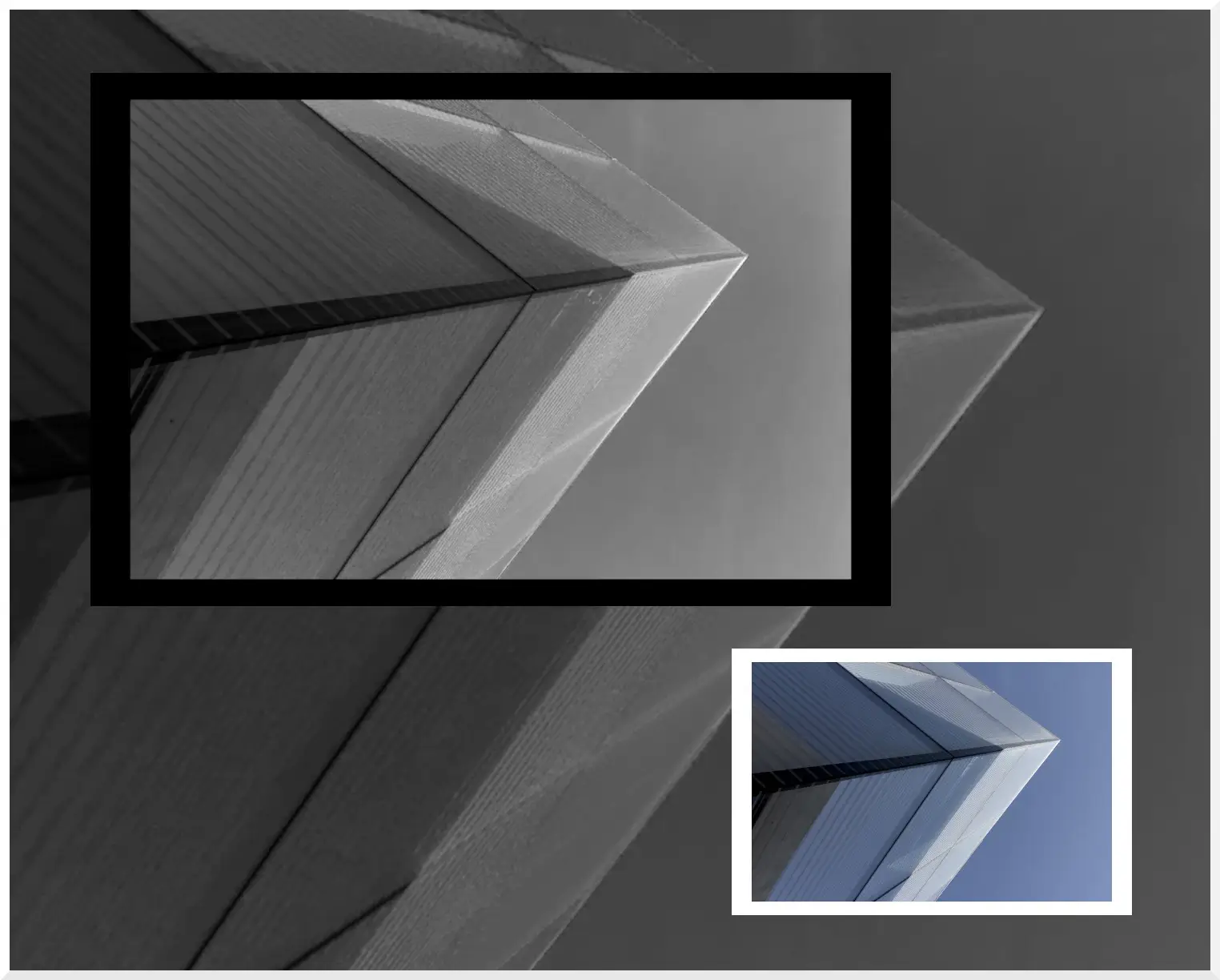
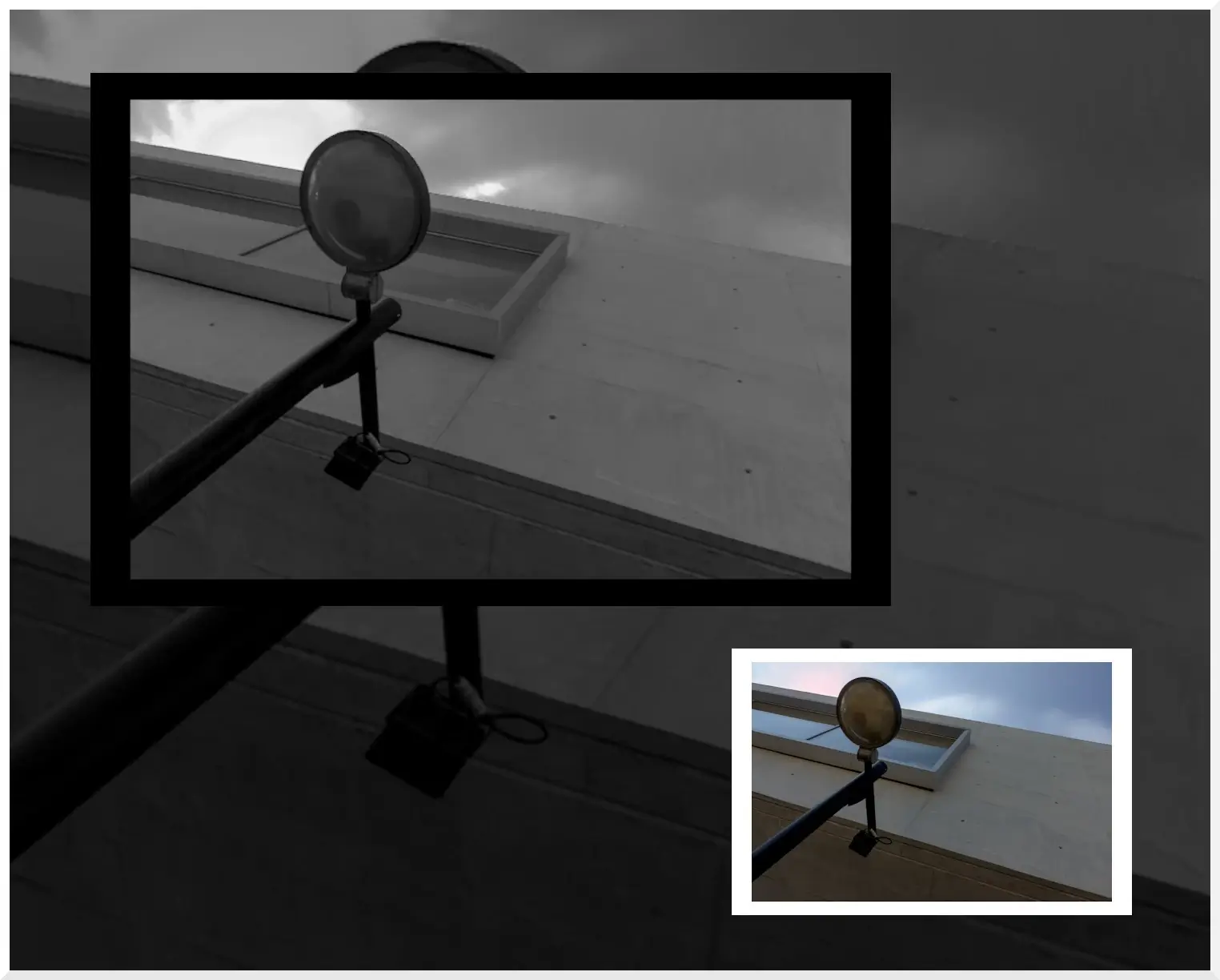
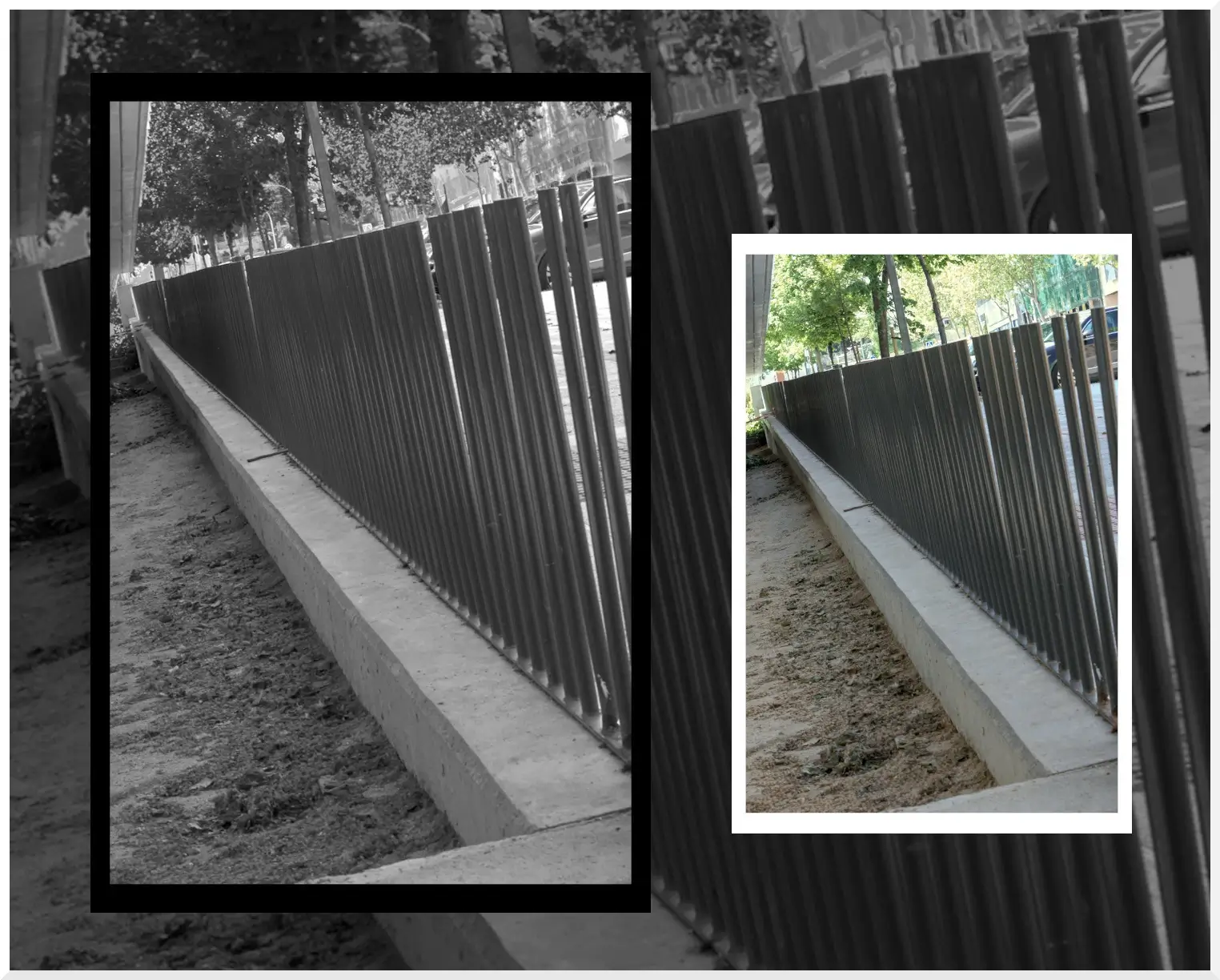
—una barandilla que corta el cielo, la esquina afilada de una
fachada o la trama hipnótica de una rejilla metálica— se
invita al espectador a reconstruir la realidad, transformando
edificios cotidianos en esculturas monumentales. Es un estudio
sobre cómo el orden matemático del espacio urbano influye en
nuestra percepción, encontrando arte en la funcionalidad y
emoción en la frialdad de los materiales modernos.
This photographic project emerges from a contemporary
reinterpretation of Constructivism, seeking to transcend mere
architectural representation to delve into the abstraction of
form. Through the lens, architecture ceases to be simply a
functional shelter and becomes a canvas of visual rhythms,
where concrete, steel, and glass converse in a language of
pure geometry.
The series explores the tension between light and shadow,
utilizing high contrast and monochrome to strip structures of
the superfluous, thereby revealing their essential skeleton.
Each image is an ode to the diagonal line, the sharp angle,
and industrial repetition—elements that break the static
nature of the frame and imbue the compositions with an
aggressive yet elegant dynamism.
Much like the avant-garde movement that inspires it, this work
celebrates the aesthetic of the machine and the beauty of
engineering. However, it introduces a unique visual narrative:
the fragmentation of perspective. By isolating details—a
railing slicing through the sky, the sharp corner of a facade,
or the hypnotic weave of a metal grate—the viewer is invited
to reconstruct reality, transforming everyday buildings into
monumental sculptures. It is a study on how the mathematical
order of urban space influences our perception, finding art in
functionality and emotion within the coldness of modern
materials.